
For Families
Increase the shelf-life of your fresh produce by days and up to weeks longer with Fridge Friend.
Stop throwing your groceries (and money) in the trash. Save money and reduce food waste with a Fridge Friend filter

“Reducing food waste is the single most powerful thing you can do to impact climate change*"
Increase the shelf-life of your fresh produce by days and up to weeks longer with Fridge Friend.
Stop throwing your groceries (and money) in the trash. Save money and reduce food waste with a Fridge Friend filter

Our cool room filters are the most affordable, zero-risk & commitment-free way to immediately reduce expenses in Restaurants, Cafes, Butchers, Pubs, Resorts and any venue with a Cool room.

We are in the process of developing a team of waste reduction professionals that can advise both the public and private sectors on world leading waste reduction strategies.
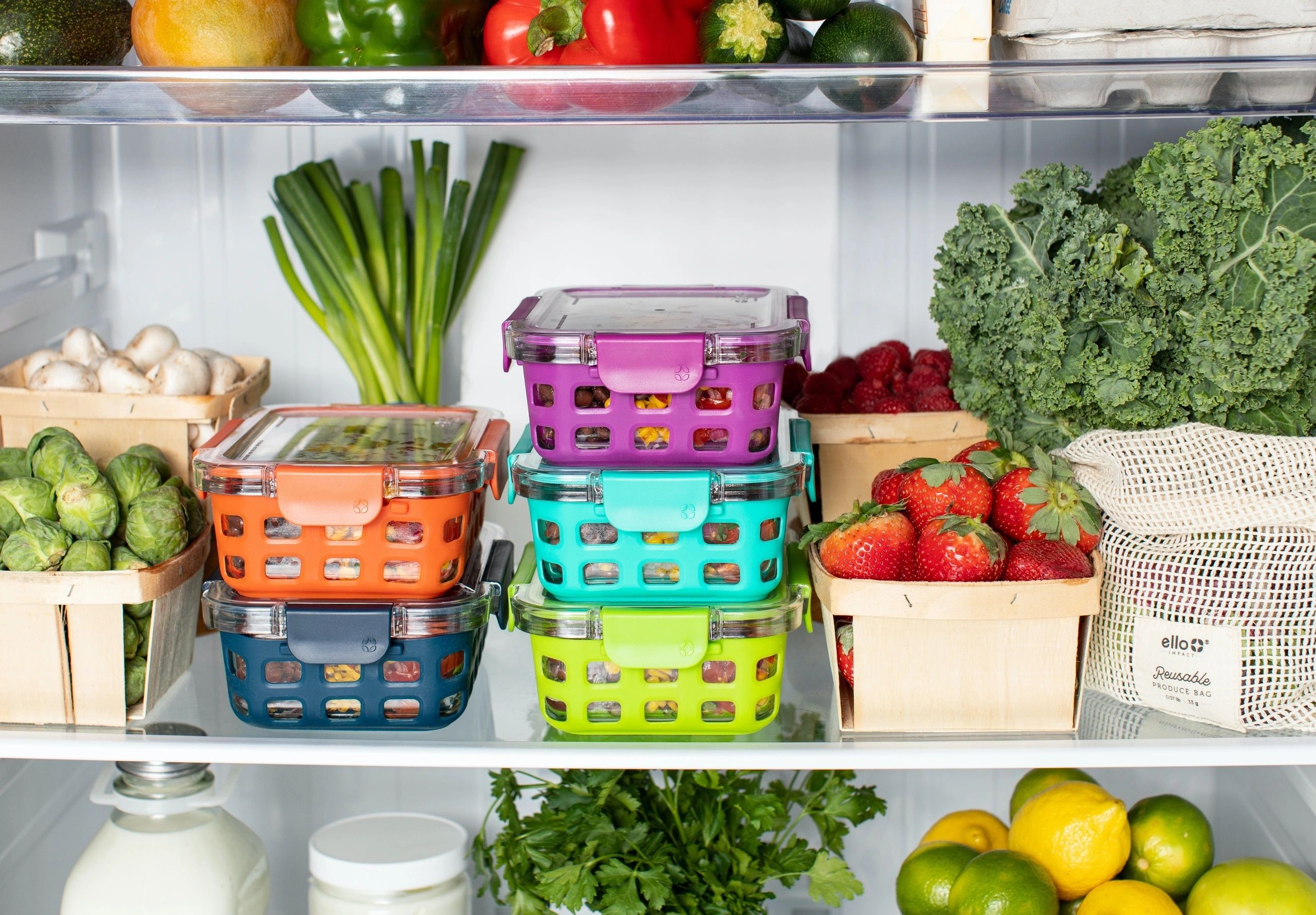
Properly storing fruits and vegetables can help extend their shelf life and ensure they stay fresh for longer. Here are some tips for storing fruits and vegetables to make them last as long as possible:
Keep fruits and vegetables separate. Fruits give off ethylene gas which can cause vegetables to ripen and spoil faster. So storing fruits and vegetables in individual containers or in different parts of the refrigerator is best.
Store fruits and vegetables at the right temperature. Most fruits and vegetables should be stored in a cool, dry place, ideally between 32 and 45 degrees Fahrenheit. Some fruits and vegetables, such as tomatoes, avocados, and bananas, should be stored at room temperature until they ripen.
Keep fruits and vegetables dry. Excess moisture can lead to mold and decay, so it’s essential to dry fruits and vegetables thoroughly before storing them. Use a clean towel or paper towel to pat them dry.
Use the right containers. Some fruits and vegetables give off gases that can speed up the ripening process. To slow this down, store these fruits and vegetables in airtight containers or plastic bags with small holes punched in them to allow for some air circulation.
Keep an eye on expiration dates.
Fruits and vegetables have a varying shelf life, so paying attention to the expiration dates and consuming them before they go bad is essential.
Make sure to store fruits and vegetables in the right place in the refrigerator. Berries, leafy greens, and herbs should be stored in the refrigerator’s high-humidity drawer, while root vegetables and fruits like apples and pears should be stored in the low-humidity drawer.
Keep fruits and vegetables clean. Before storing fruits and vegetables, ensure they are clean and free from dirt and debris. This will help prevent the spread of bacteria and prolong the shelf life of the produce.
Rotate your stock. Make sure to use the older produce first and keep track of the fruits and vegetables in your refrigerator. This way, you can use the older produce first and prevent waste.
By following these tips, you can help extend the shelf life of your fruits and vegetables and ensure they stay fresh for longer. Not only will this save you money, but it will also help reduce food waste.